Itsekiri Mythology
Itsekiri Mythology - A Unique Cosmological Synthesis in the Delta
Itsekiri mythology represents a unique cosmological synthesis forged at the intersection of Yoruba, Edo, and indigenous delta traditions, creating a sophisticated spiritual system that legitimized one of the Niger Delta's most diplomatically astute kingdoms. Centered in Warri and surrounding territories, Itsekiri cosmology demonstrates how African peoples strategically integrated multiple cultural influences while maintaining distinct identity. This is not cultural confusion but deliberate cosmological architecture designed to navigate complex political and spiritual terrain.
Oritse: The Supreme Being
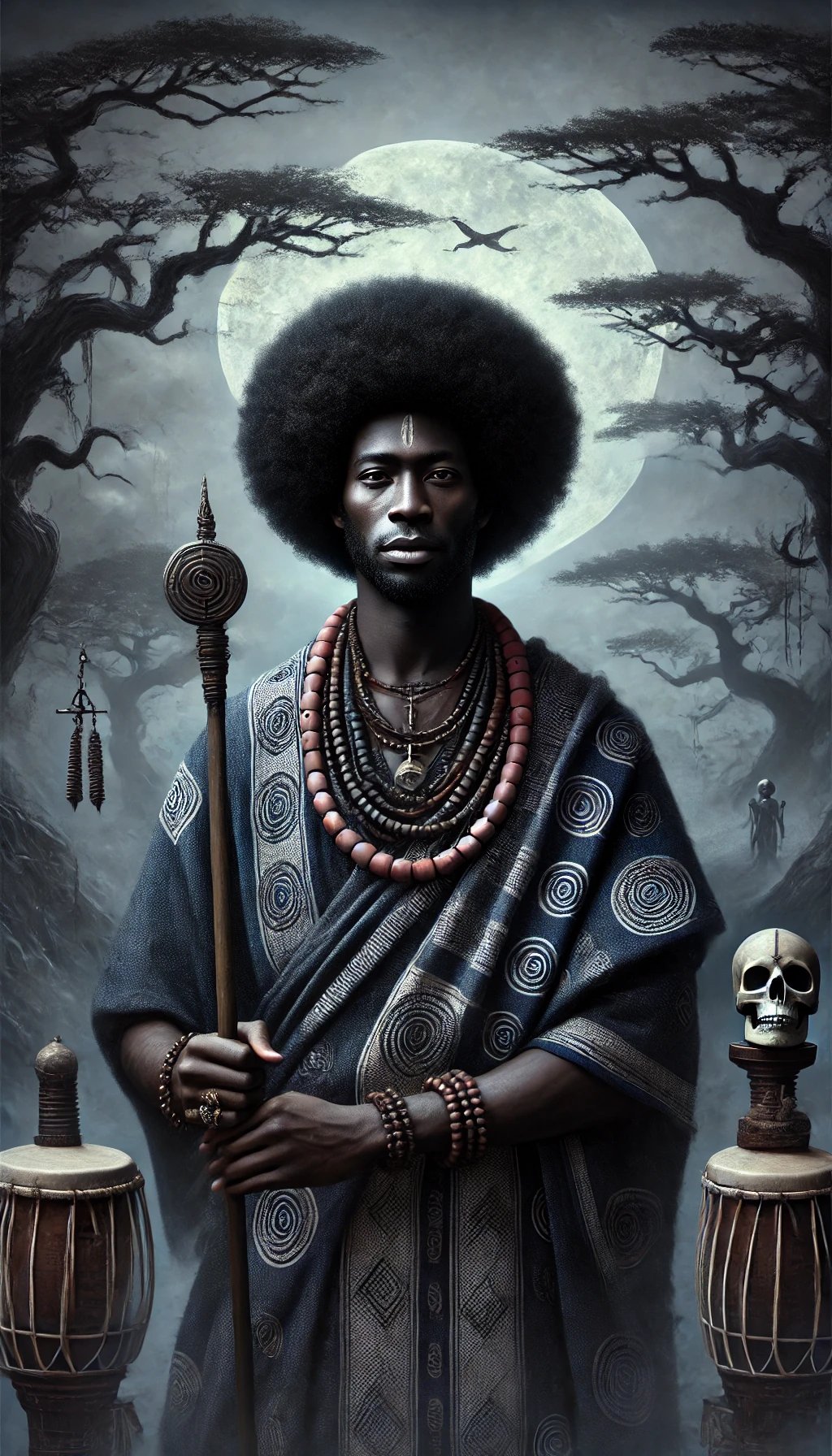
Oritse stands as the Supreme Creator in Itsekiri cosmology, a distant deity who established cosmic order and delegated authority to subordinate spiritual forces. The name and concept reflect Yoruba influence (similar to Olodumare/Olorun) while maintaining Itsekiri-specific characteristics. Oritse remains transcendent, beyond human manipulation, yet fundamentally concerned with justice, moral order, and the proper functioning of creation.
This cosmological structure facilitated Itsekiri interaction with both Yoruba and Edo neighbors while maintaining theological independence. The flexibility to recognize parallel concepts across systems enabled diplomatic marriages, political alliances, and cultural exchange without compromising core Itsekiri identity.
The Divine Monarchy
The Olu of Warri occupies semi-divine status in Itsekiri cosmology, serving as intermediary between Oritse and humanity. This sacred kingship model draws from both Benin's Oba system and Yoruba Alaafin traditions while adapting to Itsekiri-specific requirements. The Olu's installation involves elaborate rituals connecting the monarch to ancestral spirits, divine authorization, and cosmological legitimacy.
The dynasty's founding narrative traces to Ginuwa (also Iginua), a Benin prince who established the Itsekiri kingdom in the 15th century. This origin story encodes historical truth: the integration of Edo royal lineage with indigenous delta populations created a hybrid political-spiritual system. The Itsekiri cosmological framework validated this synthesis through divine sanction, making cultural fusion religiously legitimate.
Spiritual Forces and Deities
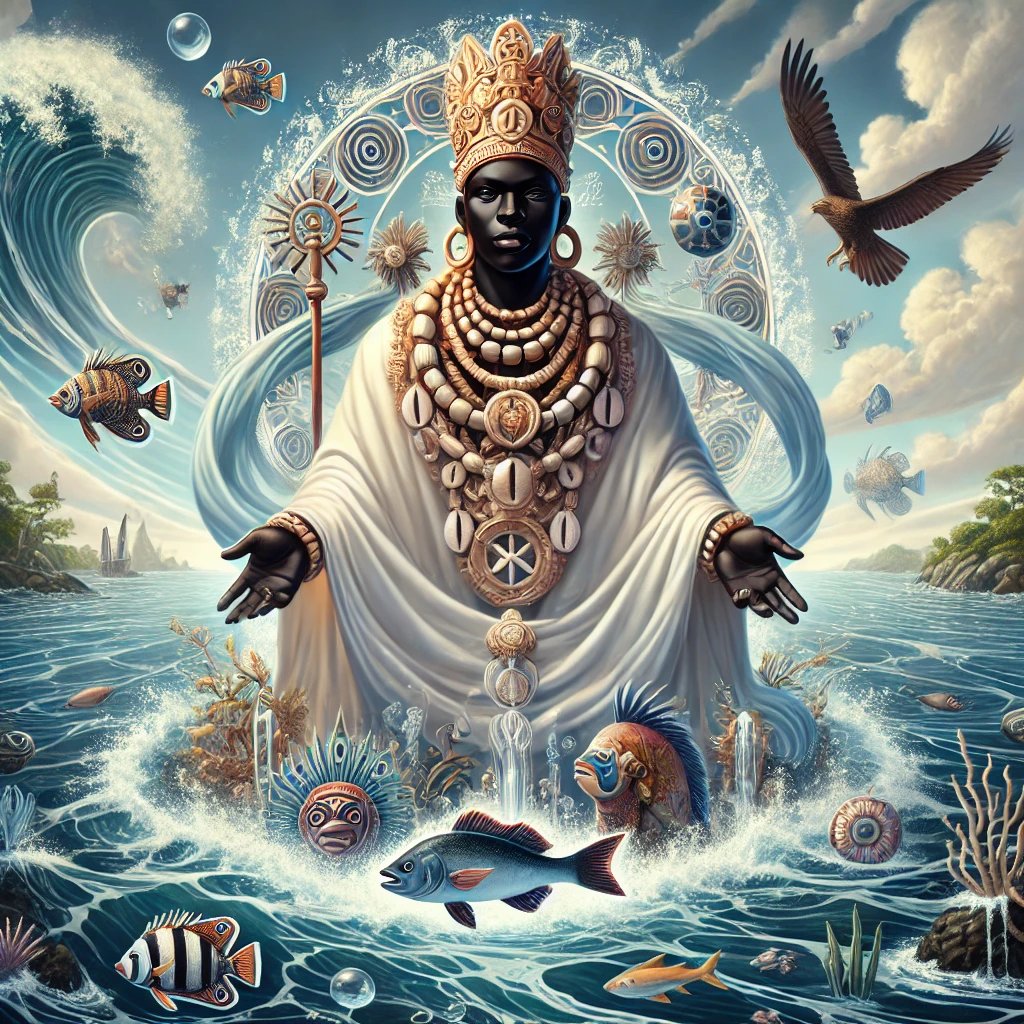
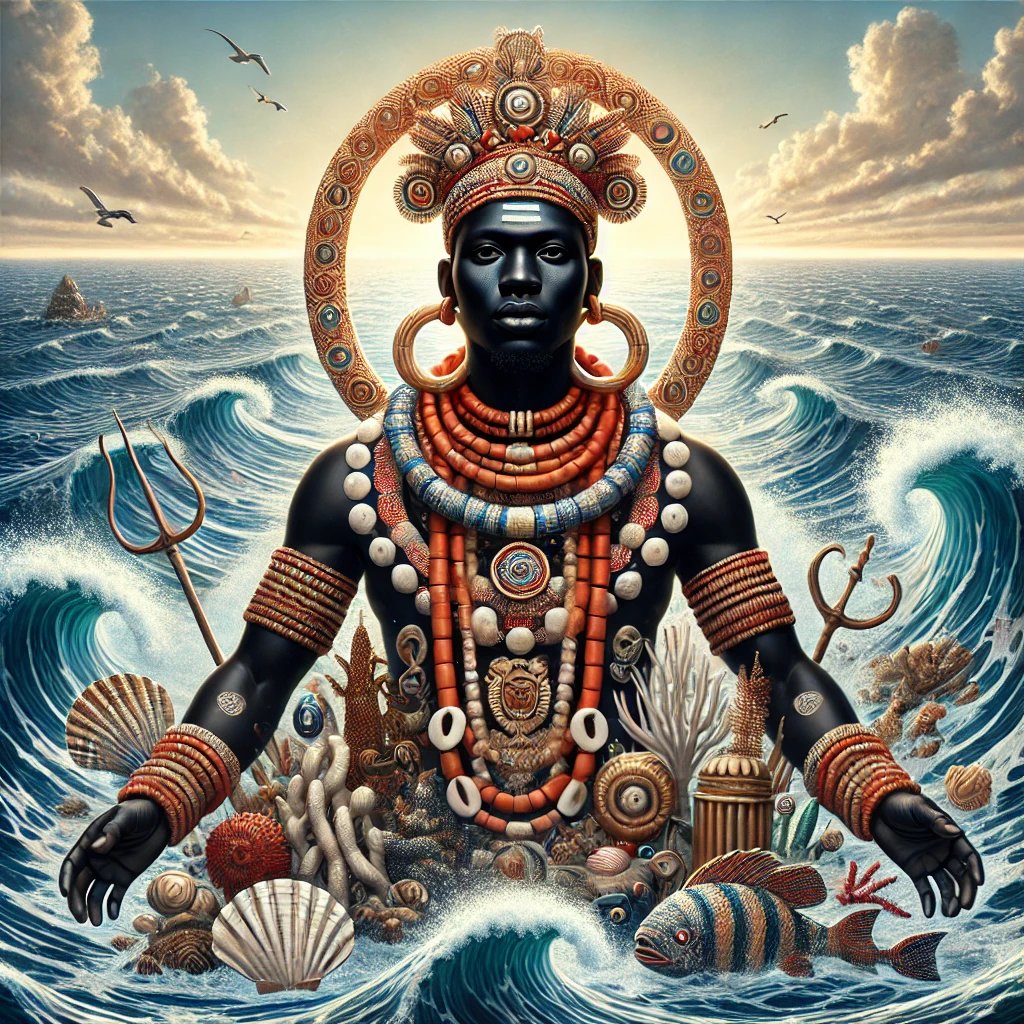
Umale Okun (Ocean Mother) governs the sea, fishing, and maritime commerce in Itsekiri tradition. Her domain includes both physical waters and spiritual dimensions of aquatic existence. Fishermen, traders, and anyone depending on water for livelihood maintain relationships with Umale Okun through offerings, ritual protocols, and proper conduct.
Olofen represents ancestral authority and royal power, particularly connected to founding ancestors and early Olu lineages. The veneration of Olofen maintains continuity between present monarchs and primordial establishment of legitimate authority, reinforcing the cosmological foundation of Itsekiri kingship.
Water spirits (similar to Ijaw owuamapu and Edo water deities) populate rivers, creeks, and lagoons throughout Itsekiri territory. Each location maintains specific spiritual character requiring localized ritual knowledge. This cosmological mapping of delta geography provided practical navigation guides encoded in spiritual narratives.
Strategic Cosmological Synthesis
Itsekiri mythology's genius lies in its strategic integration of multiple traditions. When Portuguese traders arrived (1480s), Itsekiri cosmology proved flexible enough to incorporate Christian elements without abandoning indigenous foundations. The famous conversion of Olu Atuwatse I to Catholicism (1570s) represented political strategy rather than theological capitulation: adopting European religious symbols facilitated trade while core cosmological practices continued underground.
This cosmological adaptability enabled the Itsekiri to maintain sovereignty longer than many neighboring kingdoms. By presenting acceptable religious faces to different audiences (Christian to Europeans, Yoruba-compatible to Oyo, Edo-compatible to Benin), Itsekiri leadership protected their cosmological core while maximizing diplomatic advantages.
Ancestral Veneration and Royal Shrines
Itsekiri ancestral practices reflect the cosmology's synthetic nature. Royal ancestors receive elaborate veneration through shrines, annual ceremonies, and ritual protocols drawing from Edo, Yoruba, and indigenous delta traditions. The Itsekiri National Day (March 29) celebrates both cultural identity and ancestral continuity, demonstrating how cosmological principles translate into contemporary practice.
Family shrines maintain connections with non-royal ancestors, ensuring that cosmological benefits of ancestral veneration extend beyond elite lineages. This democratization of spiritual access, while maintaining royal spiritual supremacy, balanced social hierarchy with widespread cosmological participation.
Trade, Wealth, and Spiritual Economics
Itsekiri cosmology developed sophisticated frameworks for understanding wealth, commerce, and prosperity. Success in trade required proper spiritual relationships, not just commercial acumen. Merchants consulted diviners before major transactions, made offerings to appropriate deities, and maintained ritual purity to ensure business success.
This cosmological approach to economics proved remarkably effective. Itsekiri middlemen dominated Niger Delta trade (salt, fish, palm oil, slaves) for centuries, attributing commercial success to proper spiritual conduct as much as market savvy. The cosmology that legitimized wealth accumulation also imposed obligations: prosperous individuals owed community support, ritual sponsorship, and ancestral veneration as cosmic debt payment.
Gender and Power
Itsekiri cosmology, like its Edo and Yoruba influences, recognized female spiritual authority. The Olu's mother (Iye Olu) held significant ritual and political power. Women's trading associations wielded economic influence validated through cosmological frameworks connecting female prosperity to spiritual blessing.
However, the patriarchal bias in royal succession (excluding women from the Olu position) reflected broader regional patterns. The cosmological synthesis that shaped Itsekiri tradition incorporated both the gender flexibility of delta water spirit traditions and the male-dominated royal models of Benin and Yoruba kingdoms, creating complex gendered spiritual terrain.
Colonial Disruption and Contemporary Practice
British colonization targeted Itsekiri cosmological infrastructure, attempting to break spiritual legitimacy supporting indigenous political authority. Missionary activity, shrine destruction, and imposition of Western education aimed to sever the connection between Itsekiri identity and ancestral cosmology.
Despite these assaults, Itsekiri mythology persists. The Olu retains spiritual significance. Ancestral festivals continue. Water spirits receive acknowledgment. Traditional marriage ceremonies incorporate cosmological rituals. The synthesis that created Itsekiri tradition proves resilient precisely because it was designed for adaptation without abandonment of core principles.
Itsekiri mythology demonstrates that cosmological sophistication includes the capacity to strategically integrate external influences while maintaining distinct identity, proving African peoples possessed the philosophical tools to navigate cultural encounter on their own terms.
Itsekiri Mythology: Royal Divinity and Delta Diplomatic Cosmology